
Comment on 10.1038/s44360-026-00149-3
Concerns are raised regarding the article [1].
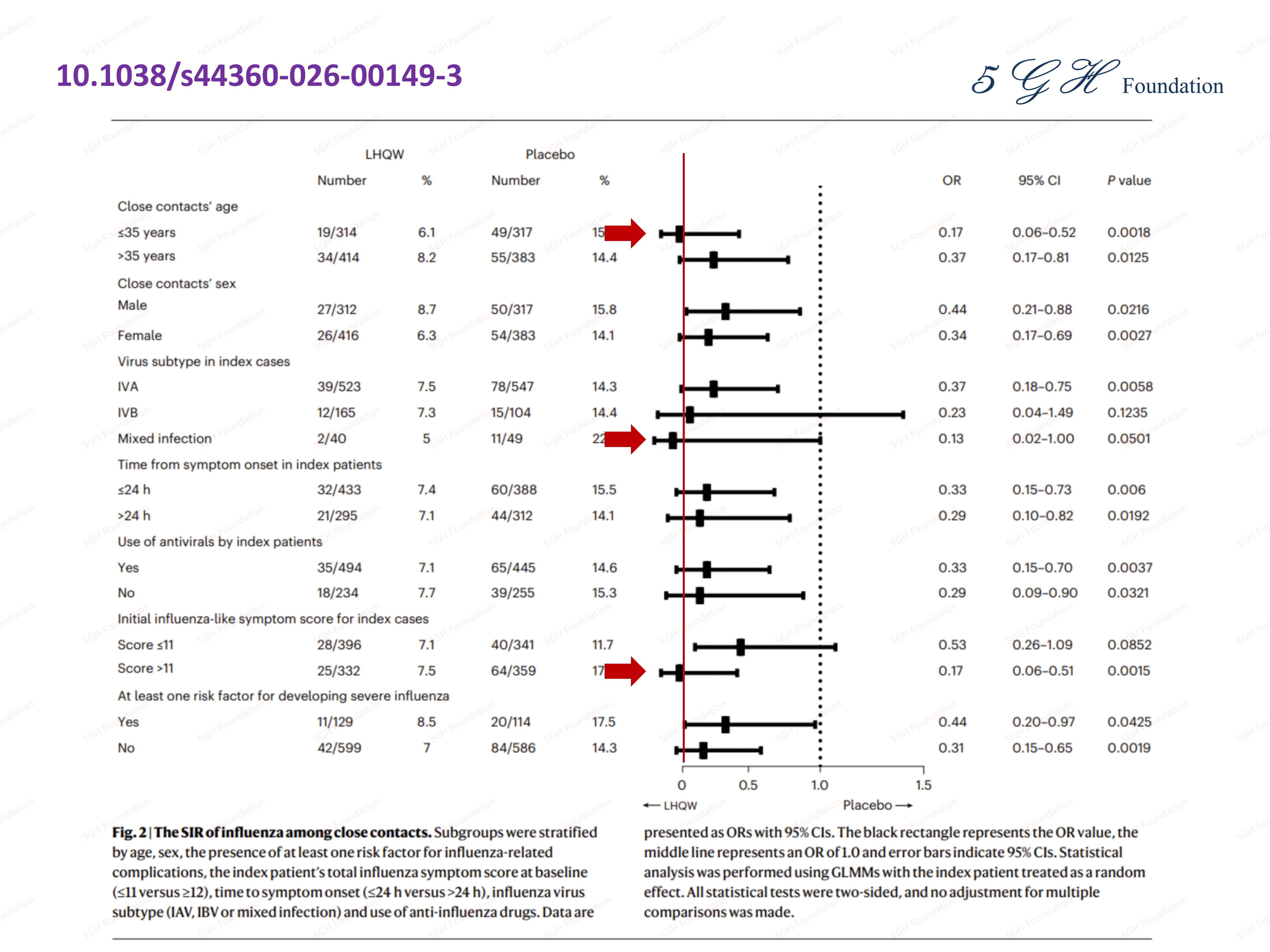
Figure 2 presents several negative OR values (marked with red arrows), which is highly unlikely.
The article [1] states that “index patients were recruited via local hospital advertisements from 55 study centres in China from 2 November 2023 through 20 March 2024. A total of 2,163 index patients were screened for influenza-like symptoms.” However, how these 2,163 patients were selected remains unclear. Given that the participating centres are mainly tertiary hospitals across China, the number of patients presenting with influenza-like symptoms during this five-month recruitment period must have far exceeded 2,163. The method of selection is therefore crucial for interpreting the outcomes. It appears that patients were recruited through open advertisements, a nonrandom approach that often introduces selection bias. For instance, patients who held a positive belief in Lianhua Qingwen would have been more likely to take part, potentially affecting the study results.
Furthermore, the study did not control for several demographic factors, such as participants' educational level. Those with different educational backgrounds and varying perceptions of influenza may adopt different preventive measures at home or in their living environments, which could in turn affect the study results.
The article [1] states that "this study was funded by Shijiazhuang Yiling Pharmaceutical, which provided the study drug for the clinical trial and was involved in the study design, data collection and data review". The outcomes of this study should be interpreted with cations.
Reference