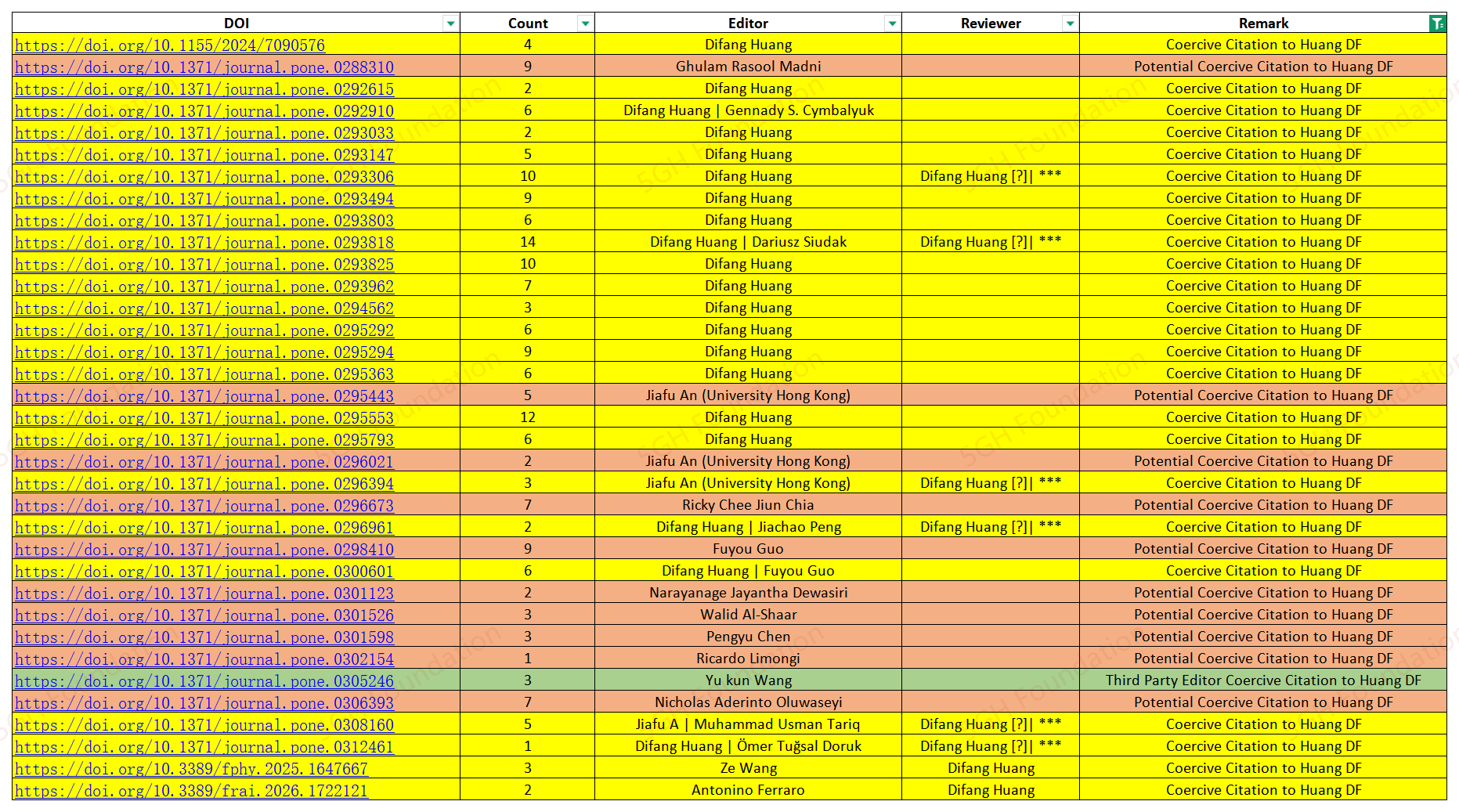
A recent investigation by the 5GH Team uncovered the questionable editorial and review practices by HUANG Difang (黄棣芳) on PLoS ONE and other journals.

The anonymous Reviewer 2 for this article [1] provided the authors with three irrelevant references, without offering any specific comments or feedback on the content of the article itself.
Recently, the 5GH Team received a tip-off alleging that Timothy Jeonglyeol LEE (李鼎烈) from the Macau University of Science and Technology may be exploiting his position as the Editor-in-Chief of "The International Journal of Tourism Research" (IJTR) to inflate his citations. Here are some more detailed data
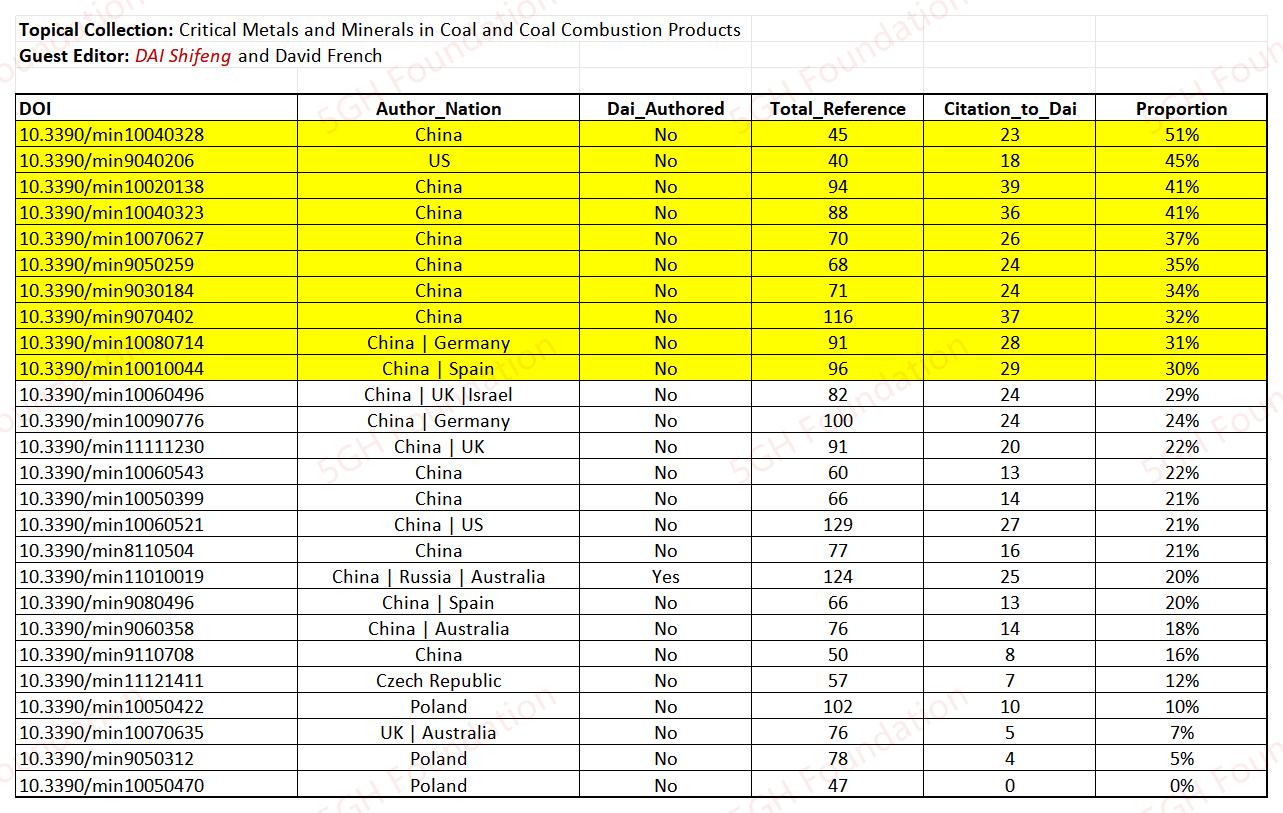
The topical collection "Critical Metals and Minerals in Coal and Coal Combustion Products" at the MDPI title "Minerals" is found to contain an excessive number of citations to the guest editor, DAI Shifeng (代世峰) from the China University of Mining and Technology (Beijing).
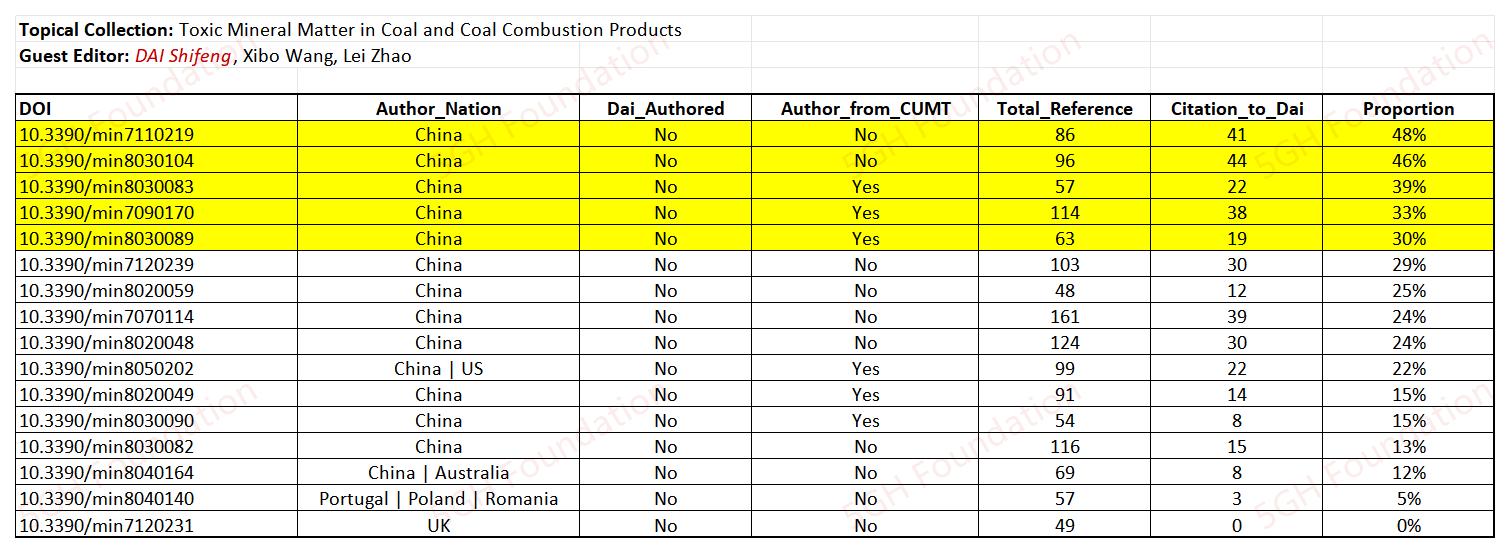
Previously, our investigation [1] revealed that DAI Shifeng from the China University of Mining and Technology (Beijing), as a guest editor, received a large number of citations via the topical collection "Critical Metals and Minerals in Coal and Coal Combustion Products" published in the MDPI journal "Minerals". Our further investigations show that similar citation patterns exist in other topical collections and special issues.
Our previous investigations [1, 2] revealed that DAI Shifeng from (代世峰) from the China University of Mining and Technology (Beijing) got a large number of questionable citations through topical collections and special issues in the MDPI title "Minerals". However, our further investigation indicates that the "International Journal of Coal Geology" (IJCG), rather than the MDPI journals, was the main source of citations for DAI.
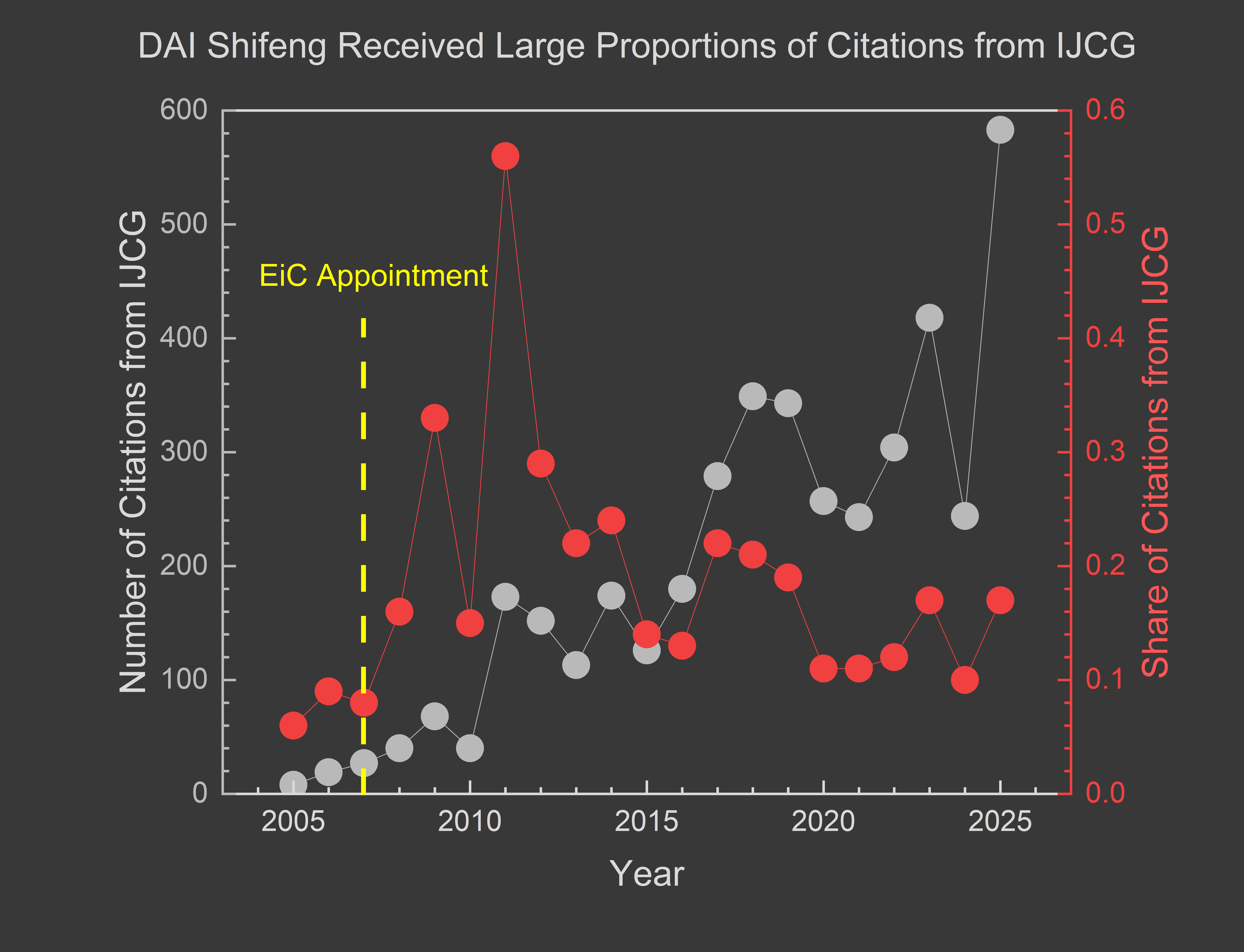
A previous investigation [1] revealed that about 17.5% citations to DAI Shifeng (代世峰) in 2025 came from the "International Journal of Coal Geology" (IJCG), the journal for which he services as the Editor-in-Chief. However, our further investigation shows that the phenomenon was common over the last two decades.

A recent investigation reveals abnormal publication records of an author group from the Southwest University. TAN Qinyi (谭亲毅) is one of the core authors among this authorship network. Another key author is TENG Luyan.
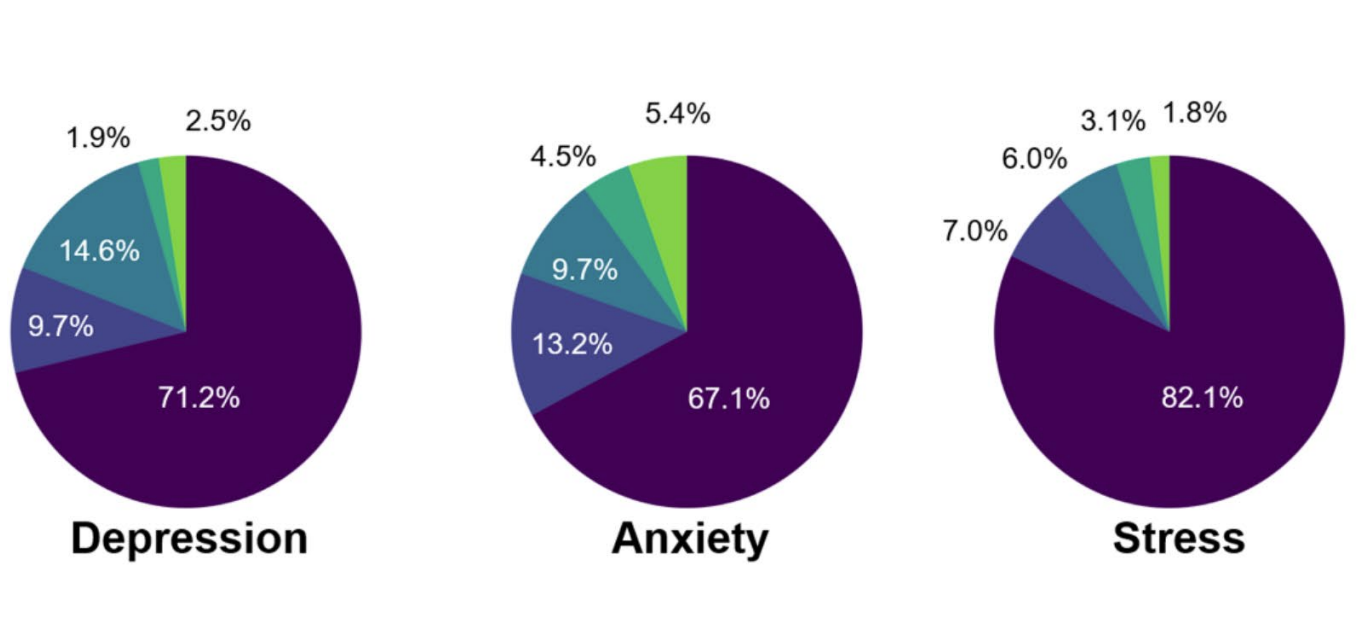
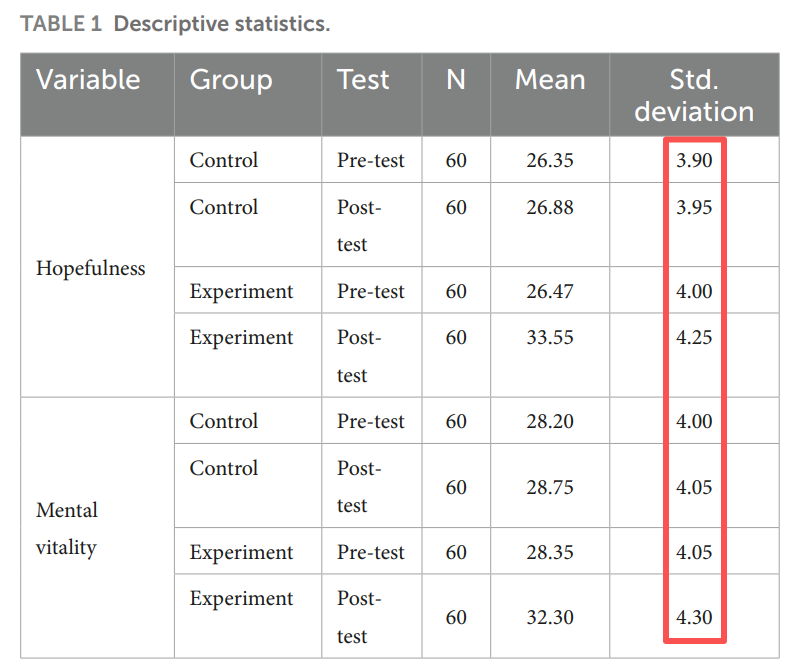
一项调查显示,我国大四牙科学生中,约有 28.8% 存在抑郁(depression),32.9% 存在焦虑(anxiety),以及 17.9% 存在压力(stress)。
The article shows that graduate students in China experiencing abusive supervision are more likely to develop suicidal ideation, a topic of growing concern in Chinese academia. However, certain methodological limitations warrant caution when interpreting these findings.
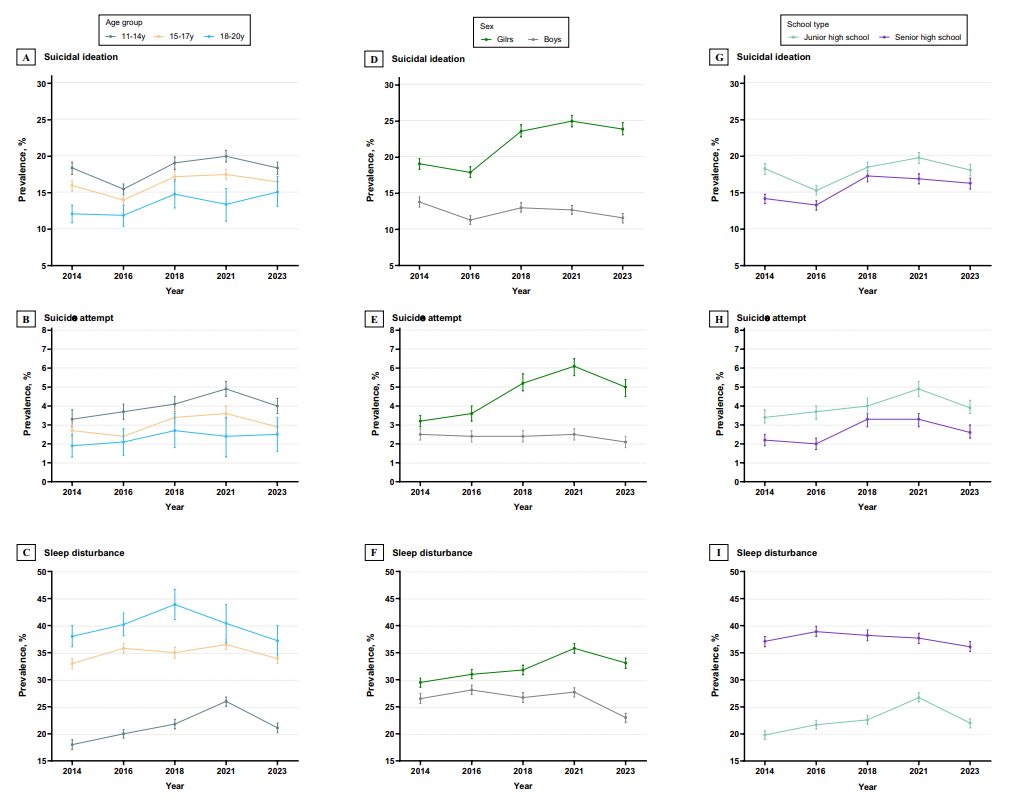
一项在广东开展的青少年健康调查(School-based Chinese Adolescents Health Survey,SCAHS)显示,约有 3% 的中学生曾经自杀未遂。研究人员分析了 5 轮(分别开展于 2014 年,2016 年,2018 年,2021 年,以及 2023 年)SCAHS 数据后得到上述结论。
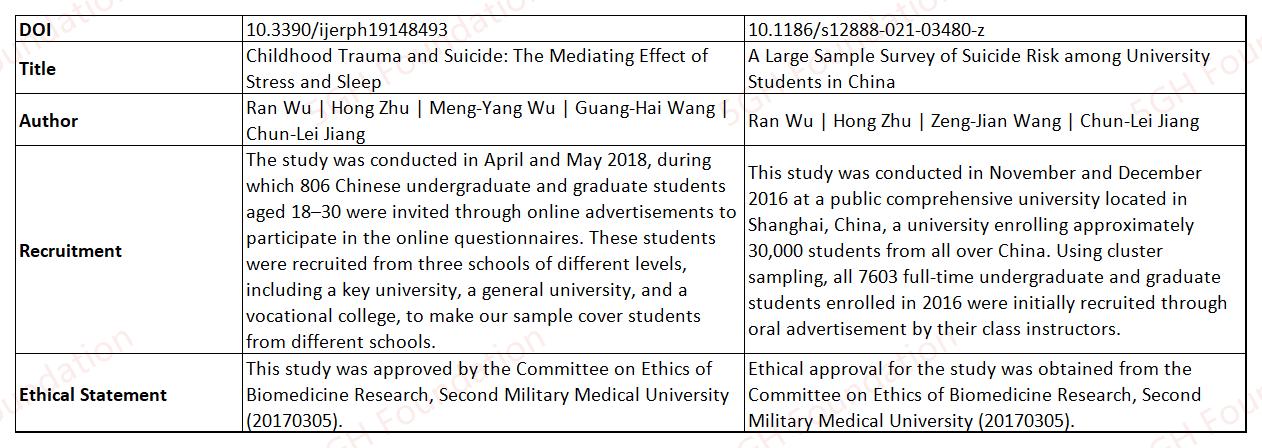
The article [1] and [2] by WU Ran (East China Normal University and Second Military Medical University) share the same ethical approval from the Second Military Medical University with the approval number of 20170305, however the recruitment described in these two articles are inconsistent with each other.

We found that some journals have published more articles in the first quarter in 2026 than in the full year of 2025.